Perth: The Urban Hub of Western Australia
Perth the capital of Western Australia, offers a vibrant blend of culture, history, and modernity. The city’s iconic landmarks, such as the Perth Cultural Centre and Kings Park, are highlighted in travel guide books, providing readers with insider tips, itineraries, and local dining recommendations!!
Explore Perth’s Cultural Venues, Botanical Gardens, and Riverside Lifestyle
Perth’s cultural scene thrives in a mix of historic and contemporary venues. The Art Gallery of Western Australia, located in the Perth Cultural Centre, showcases Indigenous and contemporary art, while the Perth Institute of Contemporary Arts hosts experimental performances and film festivals. Nearby, the State Library of Western Australia offers a quiet retreat and a vast collection of regional history.
Botanical gardens are a cornerstone of Perth’s green identity. Kings Park and Botanic Garden, one of the world’s largest inner‑city parks, features native flora, panoramic city views, and the iconic Swan River. The Perth Botanic Garden, adjacent to the park, provides themed gardens, walking trails, and educational programs for all ages.
The riverside lifestyle is celebrated along the Swan River. Riverwalk, a pedestrian promenade, connects Perth’s central business district to the waterfront, offering cafés, markets, and cultural events. The Perth Convention Centre and the Swan River foreshore host festivals, concerts, and community gatherings, making the river a living artery of the city’s social life.
Visitors can also enjoy river cruises that glide past historic bridges and modern skyscrapers, while the nearby Perth Cultural Centre offers free exhibitions and live performances. The city’s waterfront precincts, Northbridge, blend dining and art, creating a dynamic riverside experience that appeals to both locals and tourists.!
Fremantle: Heritage Port with Vibrant Arts Scene
Fremantle, a UNESCO‑listed port, blends maritime history with art. The warehouses house galleries, cafés, and the Fremantle Arts Centre. Festivals, street art, and the Queen Victoria Market make it a hotspot for travelers. Explore local artdaily.

Discover Fremantle’s Historic Architecture, Markets, and Maritime Museums
Fremantle’s heritage is a living tapestry of colonial ambition and maritime prowess. The iconic Fremantle Prison, a UNESCO World Heritage site, stands as a testament to the city’s convict past, its sandstone walls echoing stories of resilience. Adjacent to the prison, the bustling Queen Victoria Market offers a sensory feast: fresh produce, artisanal cheeses, and vibrant street stalls that reflect the city’s multicultural pulse. The market’s layout, with its narrow lanes and historic timber awnings, invites exploration of local crafts and culinary delights. For maritime enthusiasts, the Western Australian Maritime Museum, housed in the historic Fremantle Customs House, showcases the region’s seafaring heritage through interactive exhibits, ship models, and archival footage. The museum’s collection highlights the evolution of navigation, the significance of the pearling industry, and the impact of maritime trade on Western Australia’s development. Walking along the foreshore, visitors can admire the restored 19th‑century warehouses, now repurposed as galleries and cafés, where the city’s artistic community thrives. The juxtaposition of old brickwork with contemporary art installations creates a dynamic cultural dialogue. Fremantle’s architectural narrative is further enriched by the Victorian‑style St. John’s Cathedral, whose spires punctuate the skyline, and the historic Fremantle Arts Centre, a former warehouse that now hosts rotating exhibitions and community events. Each landmark offers a unique lens into the city’s past, inviting travelers to immerse themselves in a blend of heritage, commerce, and creative expression. Whether strolling through the market’s aromatic stalls, delving into maritime history, or admiring the city’s preserved architecture, Fremantle delivers an authentic Western Australian experience that resonates with history buffs, food lovers, and art aficionados alike. The city’s annual festivals, such as the Fremantle Festival and the International Arts Festival, further enliven the streets, drawing performers and visitors from across the globe. Guided tours of the historic precincts reveal hidden courtyards and stories of early settlers, while the nearby Swan River provides scenic river walks that complement the urban exploration.
Margaret River: Premier Wine and Culinary Destination
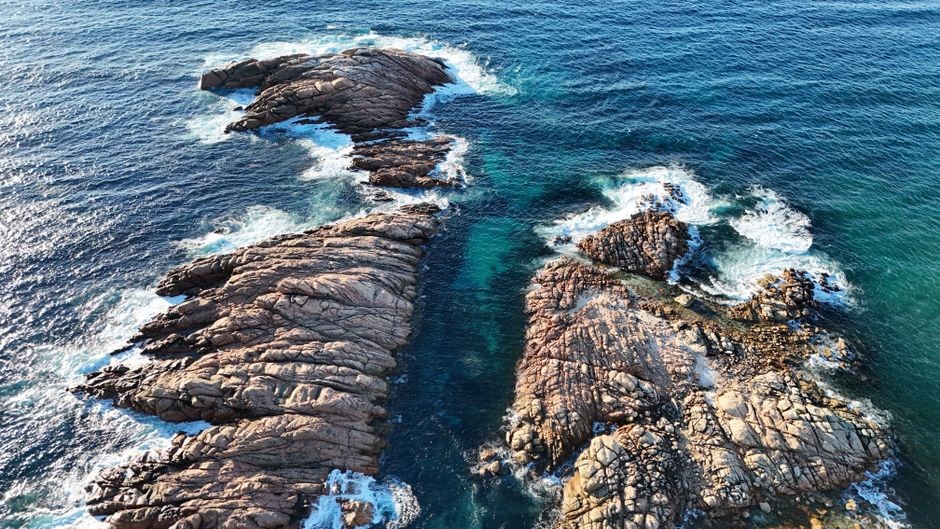
Margaret River, famed for its vineyards, offers world‑class wine tasting, gourmet restaurants, and artisanal markets. Visitors explore award wineries, sample local cheeses, and enjoy farm‑to‑table dining amid lush landscapes. The region’s culinary scene blends fresh produce with innovative cuisine!
Enjoy Winery Tours, Gourmet Food, and Coastal Exploration in Margaret River
Margaret River’s reputation as a premier wine region is rooted in its diverse terroir, producing bold reds and crisp whites that attract connoisseurs worldwide. Guided vineyard tours offer immersive tastings, behind‑the‑scenes insights, and pairing workshops that showcase local cheese, chocolate, and olive oil. Culinary adventures extend beyond the cellar: farm‑to‑table restaurants serve seasonal menus featuring native bush ingredients, while artisanal markets provide fresh produce, handmade cheeses, and boutique wines for home enjoyment. Coastal exploration complements the gastronomic journey; pristine beaches, tide pools, and rugged cliffs invite kayaking, surfing, and scenic hikes. The nearby Cape Leeuwin Lighthouse offers panoramic views of the Southern Ocean, and the historic fishing village of Augusta provides a glimpse into the region’s maritime heritage. For travelers seeking a holistic experience, day‑trips to nearby wildlife sanctuaries, surf schools, and art galleries enrich the itinerary, making Margaret River a destination where wine, food, and nature converge in harmonious celebration. Seasonal festivals such as the Margaret River Food & Wine Festival, the Wine & Dine Festival, and the Harvest Festival draw visitors to tasting rooms, live music, and cooking demonstrations. Accommodation ranges from luxury resorts overlooking vineyards to cozy bed‑and‑breakfasts nestled in the hinterland, ensuring comfort after a day of exploration. For the adventurous, guided surf lessons at Surfers Point, snorkeling in the crystal‑clear waters of the Great Southern Reef, and sunset cruises along the coastline provide unforgettable memories. Sustainable tourism initiatives encourage eco‑friendly practices, with many wineries offering biodynamic farming, renewable energy, and waste‑reduction programs. These efforts preserve the natural beauty that defines Margaret River, allowing future generations to enjoy its bounty. Whether you’re a seasoned sommelier, a culinary enthusiast, or a nature lover, Margaret River’s blend of world‑class wine, gourmet cuisine, and breathtaking coastal landscapes promises an unforgettable experience that captures the essence of Western Australia’s diverse allure.
Southwest Wilderness: Natural Parks and Outdoor Activities
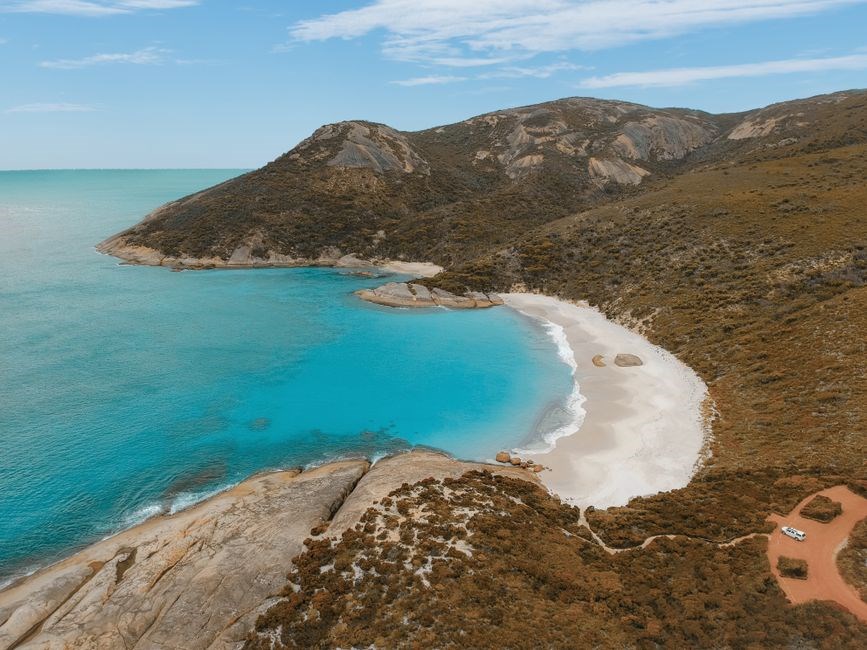
Explore Southwest’s rugged beauty: hike Yanchep’s coastal trails, wander Karri Forests’ towering trees, and stroll scenic walks along pristine beaches. National parks offer camping, wildlife spotting, and guided tours, making outdoor adventures unforgettable. Explore hidden waterfalls, eco‑treks cuisine
Visit Yanchep, Karri Forests, and Scenic Coastal Walks in the Southwest
Yanchep National Park, just a short drive from Perth, welcomes visitors with sandy beaches, crystal‑clear freshwater lakes, and the gentle rustle of eucalyptus trees. The park’s well‑marked walking trails weave through dense woodlands, offering interpretive signs that explain local flora, fauna, and the park’s ecological significance. A highlight is Yanchep Lake, where kayakers glide over calm waters while kangaroos pause on the shore to graze. The visitor centre hosts educational displays and a small café that serves fresh, locally sourced produce, making it a perfect spot for a relaxed lunch after a morning of exploration.
Further southwest, the karri forests stand as a testament to ancient growth and ecological diversity. Towering karri trees, some exceeding 70 meters, create a cool canopy that shelters a rich understorey of ferns, lichens, and a variety of bird species. Guided walks reveal the forest’s hidden gems, from moss‑covered rocks to hidden waterfalls, while panoramic viewpoints overlook the surrounding valleys. The tranquil ambience of the karri forest invites reflection, photography, and a deeper appreciation of Western Australia’s natural heritage.
Scenic coastal walks along the southwest coast showcase dramatic cliffs, secluded coves, and pristine beaches. The Cape Leeuwin Lighthouse trail leads hikers to the westernmost point of mainland Australia, where the Indian and Southern Oceans meet in a breathtaking panorama. Along the route, visitors can discover tide pools teeming with marine life, spot dolphins or even whales during migration season, and enjoy the soothing sound of waves crashing against the rocks. These coastal routes cater to both casual strolls and more challenging treks, offering a comprehensive experience of the region’s rugged beauty and tranquil serenity.
South Coast Drives: Coastal Towns and World Heritage Sites
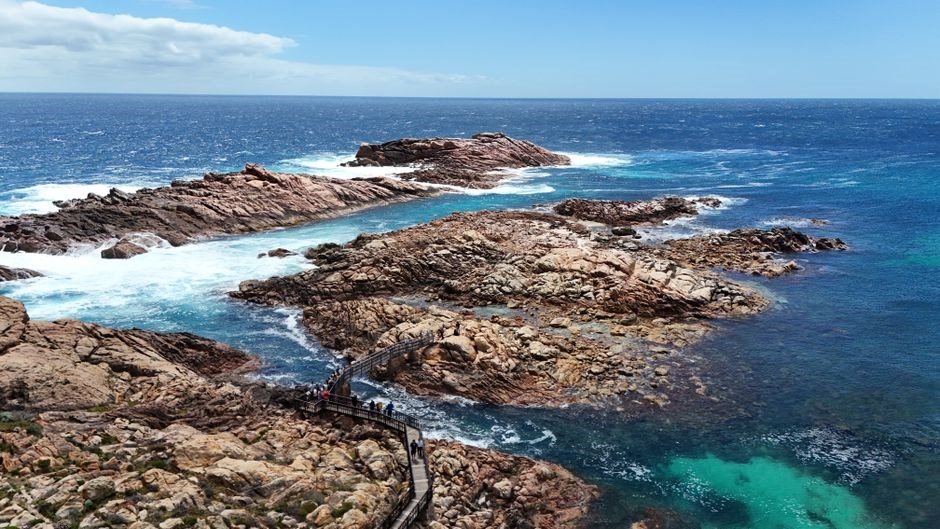
Explore the South Coast Drives, visiting charming towns like Denmark and Dongara, and marvel at Shark Bay’s UNESCO heritage. Scenic coastal routes reveal rugged cliffs, pristine beaches, and unique wildlife, offering unforgettable drives through Western Australia’s natural wonders. Enjoy the journey! !
Tour Denmark, Dongara, and the Shark Bay UNESCO Site along the South Coast
Denmark, a coastal town known for its historic lighthouse and vibrant arts scene, offers visitors a blend of heritage and natural beauty. The town’s 19th‑century architecture, including the iconic Denmark Lighthouse, provides a picturesque backdrop for leisurely strolls along the shoreline. Local artisans showcase their crafts in the bustling market square, while nearby vineyards invite wine enthusiasts to sample regional blends.
Dongara, perched on the edge of the Indian Ocean, boasts a rich maritime history. The Dongara Heritage Centre chronicles the town’s evolution from a fishing hub to a modern tourist destination, featuring interactive exhibits and archival photographs. Visitors can explore the historic wharf, where the original 19th‑century timber structures still stand, and enjoy fresh seafood at waterfront cafés.
Shark Bay, a UNESCO World Heritage Site, is renowned for its unique marine ecosystems and the iconic stromatolites—living fossils that offer insight into Earth’s earliest life forms. The bay’s clear waters support diverse wildlife, including dugongs, dolphins, and a variety of bird species. Guided tours provide opportunities to observe these creatures in their natural habitat, while educational programs highlight conservation efforts. The region’s rugged coastline, limestone formations, and expansive sand dunes create a dramatic landscape that captivates photographers and nature lovers alike.
The 260‑km drive from Perth to Denmark offers sweeping views of the Swan Coastal Plain and the Darling Range, with stops at Guilderton’s surf club and Lancelin’s windsurfing hotspots. In Dongara, the annual Regatta and the Maritime Museum showcase the town’s nautical heritage, while Dongara Regional Park trails reveal diverse coastal flora. Shark Bay’s Hamelin Pool, a crystal‑clear lagoon, invites swimmers to encounter resident dolphins, and the surrounding islands host guided wildlife tours featuring sea lions, penguins, and black‑spotted rock wallabies. Conservation efforts by the Shark Bay Conservation Authority ensure the protection of these fragile ecosystems while promoting sustainable tourism.
Monkey Mia: Marine Wildlife Conservation Experience
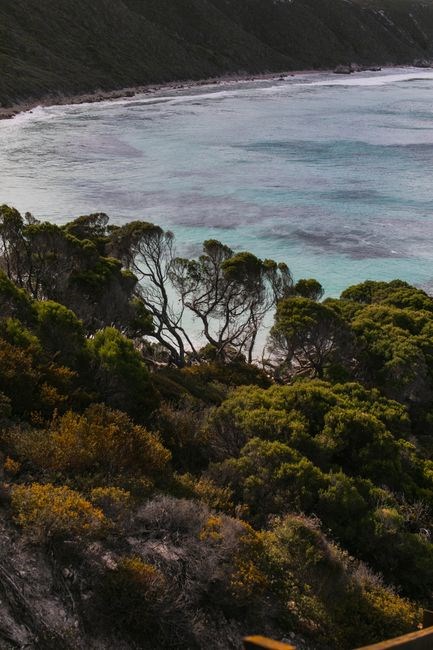
Monkey Mia, a coastal sanctuary on Western Australia’s Ningaloo Coast, invites travelers to witness daily dolphin interactions and observe seal colonies in their natural habitat. Conservation programs educate visitors, while guided tours highlight marine biodiversity and ongoing protection efforts.
Interact with Dolphins, Observe Seal Populations, and Learn Conservation Efforts
At Monkey Mia, visitors experience the unique opportunity to hand‑feed and swim with the resident bottlenose dolphins that have become a symbol of the region’s marine life. Guided tours explain the history of the dolphins’ arrival in the 1970s, the community‑driven conservation programs that have protected them, and the daily routine of the 12‑month feeding schedule. The site’s educational centre offers interactive displays on marine ecology, the importance of coastal habitats, and the impact of climate change on sea‑level rise and coral bleaching. Seal colonies along the shoreline can be observed from designated viewing platforms, where trained guides describe the species’ social behaviour, breeding patterns, and the measures taken to safeguard their habitat from human disturbance. Visitors can participate in citizen‑science projects, recording dolphin sightings and seal health indicators, which feed into ongoing research. The conservation efforts at Monkey Mia include regular health checks, vaccination programs, and the use of GPS tracking collars to monitor dolphin movements. The centre also collaborates with local schools to provide hands‑on learning experiences, ensuring that future generations understand the value of marine stewardship. By the end of a visit, guests leave with a deeper appreciation for the delicate balance of marine ecosystems and the role of community action in preserving wildlife for years to come.
In addition, the Monkey Mia Visitor Centre hosts weekly talks by marine biologists, offering insights into the latest research on dolphin communication and the effects of tourism on marine mammals. Visitors are encouraged to leave no trace, following strict guidelines that minimize plastic waste and protect the fragile coastal environment. The centre’s annual “Dolphin Day” event celebrates the community’s partnership with the dolphins, featuring live music, local food stalls, and a showcase of conservation achievements. This immersive experience not only entertains but also inspires responsible travel practices and a lifelong commitment to protecting Western Australia’s unique marine heritage.
Your visit funds ongoing research and conservation projects;
Central West Goldfields: Historical and Mining Heritage
Explore the gold rush legacy in Kalgoorlie and Coolgardie, where historic mines, museums, and heritage railways showcase Western Australia’s mining past. Guided tours reveal prospectors’ stories, preserved machinery, and the region’s cultural impact. Visitors can explore mining machinery and learn legacy.
Explore Kalgoorlie, Coolgardie, and the Legacy of Western Australia’s Gold Rush
Kalgoorlie and Coolgardie stand as living monuments to Western Australia’s gold rush era. Visitors can tour the historic Super Pit, the world’s largest open‑cut gold mine, and the bustling streets of Kalgoorlie, where heritage buildings and gold nuggets still adorn the sidewalks. In Coolgardie, the preserved gold‑mining town offers a glimpse into the 1890s, with the Coolgardie Museum showcasing original mining equipment, photographs, and personal artifacts of early prospectors. The region’s mining heritage is celebrated through guided tours that explain the geology of the Eastern Goldfields, the techniques of underground and open‑pit mining, and the social history of the boomtowns that sprang up during the late nineteenth century. Travelers can also visit the historic railway stations, such as the Kalgoorlie‑Boulder railway, which once transported ore and passengers across the arid interior. The Goldfields Heritage Trail connects key sites, allowing visitors to experience the rugged landscape, the dusty streets, and the enduring spirit of the miners. In addition to the mining sites, the area offers scenic drives, stargazing opportunities, and cultural festivals that honor the legacy of the gold rush. The local community continues to preserve the heritage through museums, heritage walks, and educational programs that highlight the economic and social impact of gold mining on Western Australia’s development.
Outback Interior: Accessible Wilderness Adventures
Explore rugged red‑centre landscapes, guided tours through Gascoyne, Nullarbor, and the desert in; Experience camel treks, and cultural encounters with Indigenous communities, all accessible via organized trips that blend adventure with safety.!!
Take Guided Journeys Through the Red Centre, Gascoyne, and Nullarbor Desert
Guided tours of Western Australia’s interior offer travelers a curated blend of adventure and cultural insight. In the Red Centre, itineraries often begin with a sunrise over the iconic Uluru, followed by a guided walk that explains the Anangu people’s spiritual connection to the rock. Travelers then venture to Kata Tjuta, where seasoned guides share stories of ancient rock art and the unique flora that thrives in the harsh desert climate. The Gascoyne region, with its dramatic gorges and the ancient limestone cliffs of the Gascoyne Gorge National Park, provides a contrasting landscape. Here, guides lead visitors along the Nullarbor Plain’s vast expanse, pointing out rare bird species and shifts in vegetation that signal the boundary between desert and coastal ecosystems. The Nullarbor Desert itself is a UNESCO World Heritage site, and guided excursions include visits to the Nullarbor Caves, where stalactites and stalagmites form a cathedral. Safety is paramount; all tours are led by certified local experts who provide weather briefings, hydration plans, and emergency protocols. Moreover, many tours incorporate cultural workshops, such as traditional bush tucker tastings, and opportunities to meet Indigenous elders who share stories of the land’s history. Whether you’re hiking the trails of the Red Centre, exploring the limestone arches of the Gascoyne, or driving across the Nullarbor, these guided journeys ensure a memorable, safe experience.!