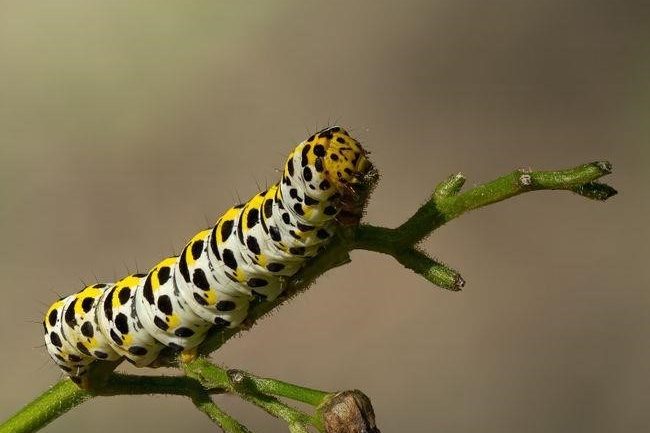
The Hungry Hungry Caterpillar PDF provides a digital copy of Eric Carle’s classic story, letting readers access the colorful narrative anytime․ This format keeps the original illustrations intact while offering a portable, convenient resource for learning and enjoyment․ Ideal for kids
Why Readers Seek PDF Versions of Classic Children’s Books
Readers often turn to PDF versions of beloved children’s titles for a blend of convenience, accessibility, and preservation․ PDFs keep the original layout, fonts, and illustrations intact, allowing the story to appear exactly as it did in print, which is especially important for picture books where visual rhythm matters․ Digital copies can be downloaded once and stored indefinitely, eliminating the need for physical storage space, and reducing the risk of damage from handling․ PDFs also support zooming and text‑to‑speech features, making them ideal for young readers who benefit from adjustable font sizes or auditory support․ Moreover, many parents and educators value the ability to share a single file with classmates, teachers, or family members without the logistical challenges of distributing multiple hard copies․ For those who travel or live in remote areas, PDFs provide instant access to books that might otherwise be out of reach․ Finally, the environmental impact of reducing paper use aligns with growing eco‑consciousness among consumers, encouraging a shift toward digital formats that still honor the original artistic vision․ By embracing this format, educators and parents not only preserve the tactile charm of the original book but also unlock a suite of digital tools—interactive annotations, embedded audio guides, and immersive experience, fostering curiosity, critical thinking, and a lifelong love of literature and fun!
About the Book: Hungry Hungry Caterpillar
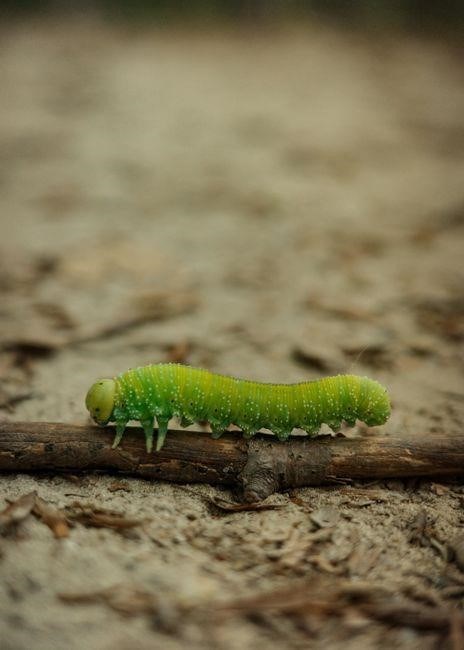
Hungry Hungry Caterpillar, first published in 1969, follows a tiny caterpillar’s journey from egg to butterfly․ Eric Carle’s vivid illustrations and simple text make counting, days of the week, and life cycles accessible to young readers․ Its timeless charm encourages literacy and fosters curiosity about nature․ Kids․
Author, Illustrator, and Publication History
Eric Carle, born in 1929, is a celebrated American author and illustrator whose distinctive collage technique has become iconic in children’s literature․ He wrote and illustrated Hungry Hungry Caterpillar, first released in 1969 by Henry Holt and Co․ The book’s debut followed Carle’s earlier successes, such as The Very Hungry Caterpillar’s predecessor, The Very Hungry Caterpillar, which introduced his signature style of hand‑cut paper and vibrant color blocks․ The narrative’s simple, rhythmic text combined with Carle’s expressive visuals created an immediate connection with young readers, making the story a staple in early childhood education․ Over the decades, the book has been translated into more than 60 languages, and its sales have surpassed 50 million copies worldwide․ Its enduring popularity has led to numerous adaptations, including stage productions, animated shorts, and merchandise․ Carle’s work on this title cemented his reputation as a pioneer in picture book storytelling, and the book remains a benchmark for quality in the genre․ The book’s design, featuring bold, hand‑cut illustrations, invites tactile interaction, while its rhythmic prose encourages phonemic awareness․ Its enduring appeal has inspired countless educators to incorporate it into literacy curricula worldwide, reinforcing foundational skills such as counting, sequencing, and environmental stewardship․ Parents teachers praise its pacing engaging rhythm very softly․
Where to Find the PDF Online
Search reputable sites like Project Gutenberg or public domain archives, or official publisher portals․ Use library e‑book services, or educational platforms that offer licensed PDFs for classroom use․ Check library catalogs for free access retailers for PDFs
Official Distribution Platforms and Third‑Party Sites
Official distribution channels for the Hungry Hungry Caterpillar PDF include the publisher’s own website, Penguin Random House, and the author’s official site․ These platforms provide licensed copies for purchase or subscription, ensuring that the PDF retains high-resolution images and accurate formatting․ In addition, many educational distributors, such as Scholastic and Amazon Kindle, offer the book as a digital download for educators and parents․ Third‑party sites, such as Google Books, Apple Books, and Kobo, also host the PDF, but users should verify that the copy is authorized by the rights holder․ Libraries often provide access through services like OverDrive, Hoopla, and Libby, which deliver the PDF to patrons with a valid library card․ When using third‑party sites, it is essential to check for DRM protection and licensing terms to avoid infringing copyright․ For teachers, the best practice is to obtain the PDF through a legitimate educational license, which may include bulk access for multiple users and additional teaching resources․ Parents can purchase the PDF directly from the publisher’s site or authorized retailers, ensuring that the file is safe, free of malware, and includes the original illustrations․ Readers can also use the PDF to create custom worksheets, quizzes, interactive storytelling activities that enhance engagement ․ By following these official and reputable channels, readers can enjoy the classic story while respecting intellectual property rights and supporting the creators․
Legal and Copyright Considerations
Copyright protects the Hungry Hungry Caterpillar PDF, requiring permission for distribution; Users must avoid unauthorized copies, as infringement can lead to legal action․ Educational use may qualify for fair use, but always verify licensing before sharing․ Check for authorized copies․ and verify OK․
Understanding Fair Use and Permission Requirements
When using the Hungry Hungry Caterpillar PDF, educators must consider U․S․ copyright law․ Fair use permits limited copying for criticism, comment, news, teaching, scholarship, or research․ Courts assess purpose, nature, amount, and market effect․ Because the book is a creative, marketable picture story, the second factor favors protection․ The third factor looks at how much is used; even a single page may be too much if it contains the “heart” of the work․ The fourth factor examines whether the use competes with the original․ Classroom use of the entire PDF may be infringing unless it falls under a specific educational exception․ Some states allow non‑commercial school use, but the scope is narrow and requires that the material be used within the school, not distributed externally․ The U․S․ Copyright Act’s school‑use provision permits copying for a single class, only for the duration of that class, and not for distribution․ The safest approach is to obtain a licensed copy from the publisher or a reputable distributor․ If a teacher wants to share excerpts, keep the excerpt short (e․g․, a single page or a paragraph) and provide proper attribution․ For larger projects, such as a digital lesson plan that includes the entire story, the teacher should seek permission from the copyright holder․ Many publishers offer educational licenses that allow broader use in schools, libraries, and homeschool settings, often with a fee but providing legal certainty and additional resources such as teacher guides and activity sheets․ In short, while fair use can cover certain limited uses, it is not a blanket permission for distributing the PDF․ Educators should use carefully․
Educational Value of the PDF
The Hungry Hungry Caterpillar PDF offers educators a vivid, interactive tool for teaching counting, sequencing, and basic biology․ Its bright illustrations and simple text help children grasp numbers, days of the week, and life‑cycle concepts, fostering early literacy and science curiosity․ fun!!
Teaching Counting, Sequencing, and Nutritional Concepts
In the Hungry Hungry Caterpillar PDF, educators can leverage the story’s simple arithmetic to reinforce early numeracy․ Each page presents a clear progression of numbers—one, two, three—allowing children to physically count the depicted fruit or insects․ Students practice counting sequencing and for illustrations․
By having students draw their own caterpillar, calculate growth rates, or research real‑world butterflies, the lesson becomes a holistic learning experience․
Additionally, the PDF can serve as a springboard for science experiments such as measuring the caterpillar’s growth or exploring metamorphosis stages, thereby with hands‑on activities․!!
Using the PDF in Classroom Settings
Teachers can display the Hungry Hungry Caterpillar PDF on smartboards, allowing students to follow the story interactively․ By pausing at each page, students discuss numbers, sequencing, and food choices, then create matching worksheets or digital quizzes to reinforce concepts․ Students create!!
Interactive Activities and Digital Lesson Plans
Digital lesson plans for the Hungry Hungry Caterpillar PDF can transform a routine reading session into an engaging, multi‑sensory experience․ Begin by projecting the PDF on a classroom screen, pausing after each page to prompt students to identify the number of items, the day of the week, or the type of food․ Use built‑in annotation tools to highlight key words and illustrate the caterpillar’s growth․ Next, incorporate a “counting relay” where students physically move to the correct number of objects displayed on the screen, reinforcing numerical fluency․ A sequencing activity follows: students drag and drop digital cards representing each page onto a timeline, ensuring the story’s order is preserved․ For vocabulary building, create a matching game that pairs each food item with its nutritional benefit, encouraging discussion about healthy choices․ Finally, conclude with a creative extension—students design their own “caterpillar journey” using a simple drawing app, then share their stories in a virtual gallery where peers can comment and rate․ These activities not only deepen comprehension but also promote collaboration, critical thinking, and digital literacy skills Students can also create a digital poster summarizing the caterpillars journey, labeling each day with the corresponding food and number, then present their work to classmates fostering discussion about growth nutrition and the importance of mindful eating habits This activity promotes critical thinking creative expression
Alternative Formats and Resources
Besides the PDF, the story is available as an eBook, audiobook, and print edition․ Libraries offer digital loans, while retailers sell Kindle and Audible versions․ Parents can download the free PDF from the publisher’s site for offline reading․ Enjoy!Read․
eBooks, Audiobooks, and Physical Copies
Digital eBooks are available on platforms like Kindle, Apple Books, and Google Play Books, offering adjustable fonts and background colors․ They include the original illustrations and can be read offline after download․
For those who enjoy auditory storytelling, the audiobook version narrated by a warm voice brings the caterpillar’s journey to life․ Available on Audible and Apple Books, this format is ideal for bedtime routines or classroom listening sessions․ The narration syncs with on-screen text, allowing children to follow along visually while listening․
For those who prefer a tactile experience, physical copies remain a beloved choice․ Hardcover editions feature thick pages that withstand frequent handling, while softcover versions are lighter and more portable․ Many libraries offer both new and used copies, and bookstores frequently stock special editions with added stickers or activity pages․ Purchasing a physical book also supports local retailers and encourages a shared reading experience in homes and schools․
Each format offers unique benefits: eBooks provide flexibility and accessibility, audiobooks foster listening skills, and physical books encourage hands‑on engagement․ Choosing the right format depends on the reader’s preferences, learning goals, and available technology․ By exploring these options, families and educators can keep the story’s educational value alive in multiple contexts in digital classrooms and kids
and Recommendations
Choose licensed PDFs from trusted sites, verify copyright, and pair the book with interactive lessons․ Read aloud, discuss counting, explore nature themes, and deepen understanding․ Share responsibly, respect rights, and enjoy learning․ for all ages․ Kids
The Hungry Hungry Caterpillar PDF offers a convenient digital version of Eric Carle’s beloved picture book, allowing readers to enjoy the story anytime, anywhere․ This format preserves the original illustrations and text, making it ideal for on‑the‑go reading, travel, or home use․ With a simple download, families can keep the book in their device’s library for quick access whenever the curious caterpillar’s adventures call․ The PDF format provides high‑resolution images that remain vibrant on tablets, smartphones, and laptops, ensuring that the vibrant colors and whimsical designs remain true to the original print․ Users can zoom in to examine the fine details of each page, from the caterpillar’s fuzzy body to the bright fruit he munches on․ The digital file is lightweight, making it easy to carry in a cloud folder or on a USB drive, and it can be opened on a wide range of devices without the need for a specialized e‑reader․ Whether you’re a parent looking for a portable bedtime story, a teacher preparing a lesson, or a child eager to revisit the tale, the PDF version of Hungry Hungry Caterpillar delivers the same engaging narrative with the added convenience of digital accessibility․ Enjoy the PDF responsibly and share with care․